Travel Culture Basics: Etiquette, Communication & Laws
What practical concerns should travelers consider when navigating new cultures such as etiquette, communication styles, and local laws?
Travel goes more smoothly when practical details match local expectations. A few small adjustments—how greetings work, what “polite” sounds like, and which rules are strictly enforced—can prevent awkward moments and serious trouble.
Etiquette: everyday behaviors that can make or break interactions
Start with greetings and personal space. In some places a handshake is standard; elsewhere, a bow, cheek kiss, or no touch at all is preferred. Learn basic table manners (tipping, where to place your hands, whether it’s acceptable to leave food on the plate) and dress norms for religious sites, rural areas, and nightlife districts. Also watch for “quiet rules” on public transit, lines, and shared spaces—speakerphone and loud conversations can be seen as disrespectful.
Communication styles: what’s said vs. what’s meant
Directness varies widely. A blunt “no” may be normal at home but rude abroad; some cultures soften refusals, hint, or prioritize harmony. Pay attention to tone, pauses, and nonverbal cues. When language is a barrier, keep sentences short, avoid slang, and confirm details (prices, times, meeting points) by writing them down. Having key phrases saved offline and showing addresses in the local script can reduce confusion with taxis and transit.
Local laws: the high-stakes details travelers often miss
Research rules that commonly trip up visitors: ID requirements, photography restrictions near government sites, alcohol and vaping regulations, controlled medications, and behavior considered indecent (public affection, profanity, gestures). Traffic laws matter even for pedestrians and scooter rentals; fines and liability can be steep. Respect local customs around protests and political commentary—what feels like casual speech in one country can be illegal or risky in another.
Smart preparation before you land
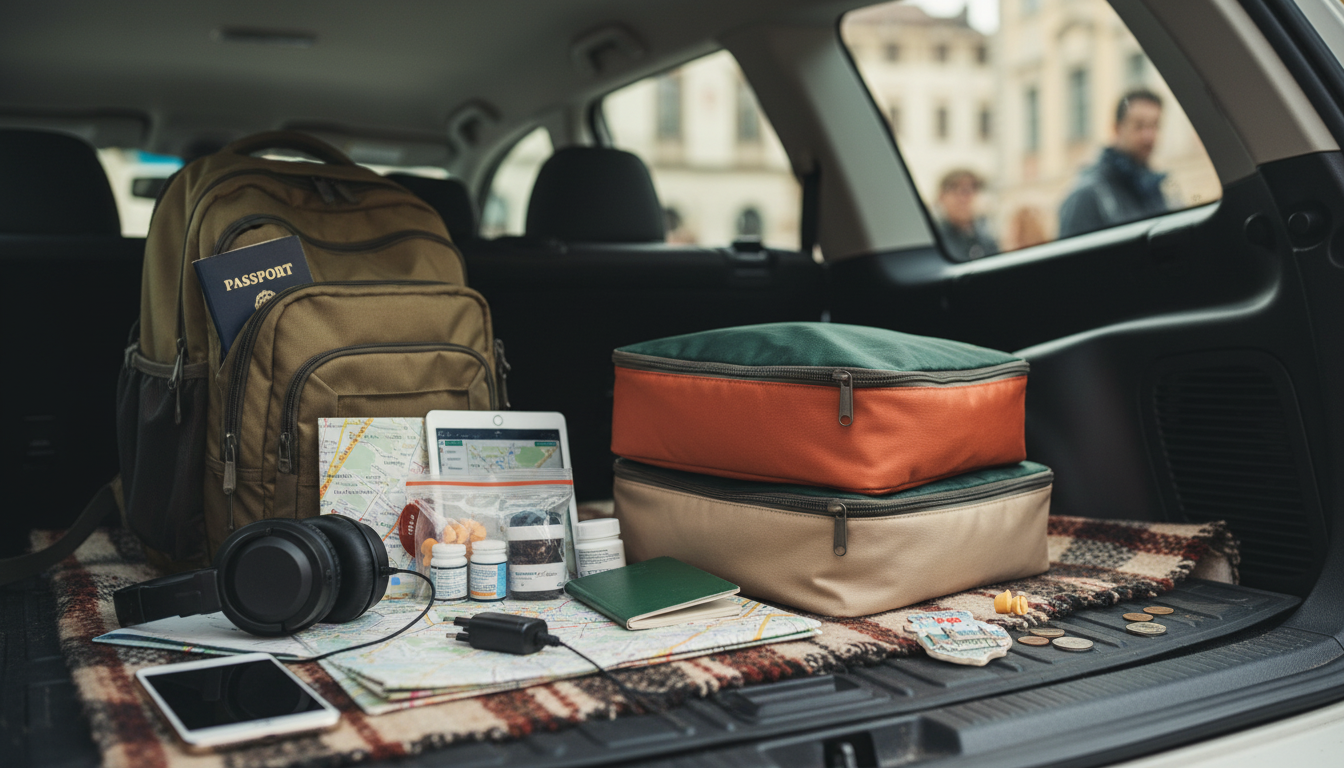
Check official government travel advisories, learn emergency numbers, and confirm whether travel insurance covers activities like motorbiking or hiking. Keep digital and paper copies of your passport and prescriptions, and carry only what’s needed for the day. For a deeper checklist and examples, visit the main guide here.
FAQ
How can travelers avoid offending locals without knowing every rule?
Lead with observation and humility: follow what locals do, ask courteously when unsure, and choose conservative defaults for dress, volume, and personal space. A simple apology and willingness to adjust usually goes a long way.












Leave a comment