Pet First Aid Kit Checklist: Must-Have Supplies
What should go in a pet first aid kit?
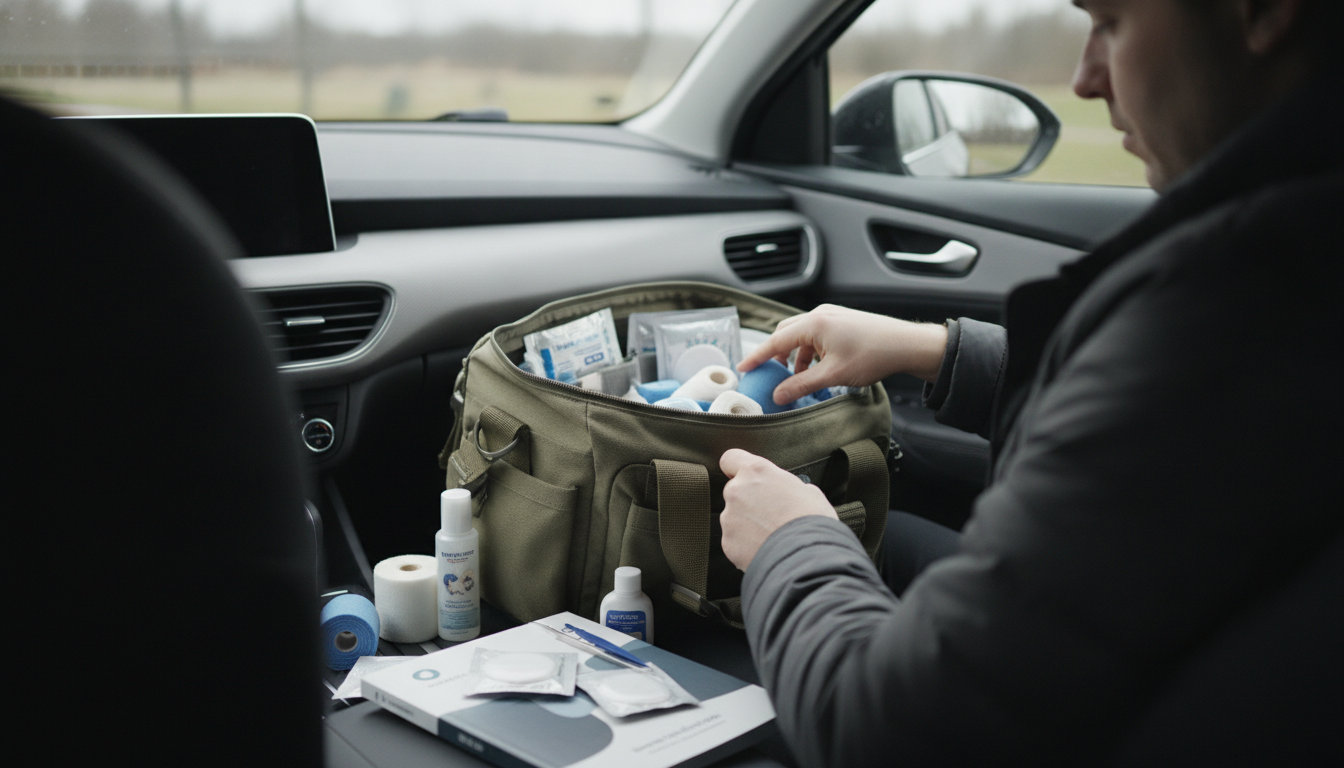
A good pet first aid kit covers three things: stopping bleeding, cleaning and protecting wounds, and handling common emergencies until a vet can take over. Stock it in a sturdy, labeled container and keep one at home and a smaller version in the car if you travel with your pet.
Wound care and bandaging essentials
Include sterile gauze pads, non-stick wound dressings, self-adhering wrap (vet wrap), medical tape, and cotton swabs. Add saline wound wash or sterile saline, antiseptic wipes that are pet-safe, and a small pair of blunt-tip scissors. A digital thermometer (pet-safe), disposable gloves, and a soft muzzle or cloth strip (even gentle pets may bite when in pain) are also smart basics.
Tools that make emergencies easier
Pack tweezers for splinters and ticks, a tick remover tool, and a small flashlight for checking mouths, paws, or dark areas. A clean towel or emergency blanket can help with shock or warmth, while a collapsible bowl and a sealed bottle of water are useful during travel or heat-related issues.
Medications and “do-not-use” reminders
Only include medications your veterinarian has approved for your specific pet, in original packaging with clear dosing directions. Hydrogen peroxide should not be used on wounds, and many human pain relievers are dangerous for pets—avoid stocking them unless your vet specifically instructs otherwise.
Paperwork and quick-reference items
Add your vet’s phone number, the nearest 24-hour emergency clinic, and any medical notes (allergies, conditions, microchip number). Keep a copy in a waterproof bag. For a complete checklist and extra tips on packing and maintaining supplies, visit the full pet first aid kit guide.
For Pet First Aid Kit Checklist: Must-Have Supplies, the best answer depends on fit, material, care instructions, and how the product will be used day to day.
FAQ
How often should you replace items in a pet first aid kit?
Check your kit every 3–6 months and replace anything used, damaged, or expired. Medications, saline, and antiseptics should be swapped out before their expiration dates, and bandage materials should stay clean and sealed.












Leave a comment